


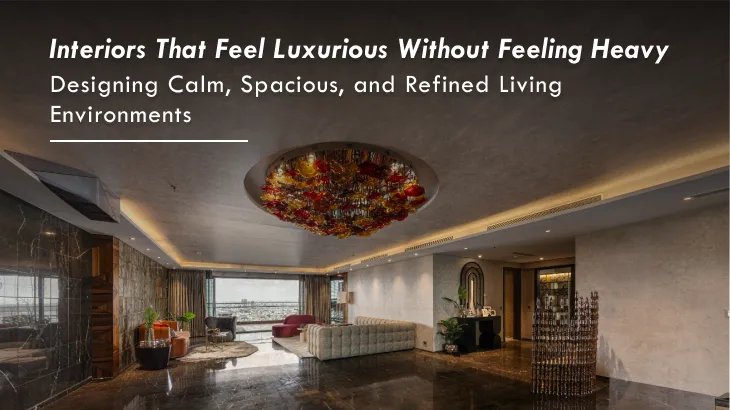
In many homes, luxury is often mistaken for excess. Rich materials, layered finishes, and statement elements can quickly make a space feel overwhelming. But truly considered interiors take a different approach. They prioritise balance over display, creating environments that feel refined without ever feeling heavy.
At its best, luxury is not about how much a space contains. It is about how effortlessly it allows you to live within it.
Where Simplicity Becomes Intentional
Interiors that feel light are rarely minimal by accident. They are shaped by careful decisions around proportion, material, and layout. Every element has a purpose, and nothing competes for attention.
Our designers approach interiors with this sense of restraint. Instead of adding more, the focus shifts to refining what already exists. Clean lines, controlled palettes, and thoughtful detailing allow the space to feel composed rather than crowded.
This simplicity does not reduce the sense of luxury. It sharpens it.
Light as a Defining Element
One of the most important contributors to a lighter interior is natural light. It softens materials, expands perceived space, and introduces movement into the room throughout the day.
When interiors are designed to welcome light through expansive openings and living decks, the space begins to feel more open and breathable. Shadows shift, surfaces come alive, and the room feels connected to the outside.
This interaction with light allows luxury to feel natural rather than constructed, a key element in modern luxury home design.
Materiality That Feels Grounded
The choice of materials plays a quiet but powerful role in shaping how a space is experienced. Heavy textures and overly polished finishes can often feel imposing, while balanced material palettes bring warmth without weight.
Natural materials, muted tones, and subtle contrasts create a sense of calm within the space. Instead of dominating the room, these elements work together to form a cohesive environment that feels both tactile and inviting.
It is this balance that allows interiors to feel refined without becoming rigid, a hallmark of premium apartment interiors and high-end residential design.
Bringing Nature Indoors
A layer that often completes a well-balanced interior is the presence of nature. Indoor plants, soft greenery, and natural textures introduce life into the space without adding visual weight.
Whether it is a quiet corner with potted greens, planters along a living deck, or subtle landscaping visible from within, these elements help soften the built environment. They improve air quality, introduce organic textures, and create a sense of calm that cannot be replicated through finishes alone.
In urban homes, this connection to nature becomes especially meaningful. It allows interiors to feel grounded, offering moments of stillness within an otherwise fast-paced setting.
Space That Allows Movement
A well-designed interior is not just about how it looks, but how it flows. Movement through the space should feel effortless, without interruption or constraint.
The transition from the foyer into the living room plays an important role in this. When these spaces are seamlessly connected, the home feels intuitive to move through rather than segmented. The living area unfolds naturally from the entrance, creating a sense of continuity and ease.
Open layouts, clear sightlines, and connections between rooms further support this flow. Living decks attached to the main space extend this movement outward, allowing both light and air to travel freely through the home. Cross ventilation, supported by these openings, ensures that the space remains breathable and comfortable throughout the day.
This relationship between foyer, living room, and deck creates a home that feels open, connected, and easy to inhabit.
Comfort Without Compromise
Luxury interiors must ultimately support everyday living. A space that feels visually appealing but lacks comfort cannot sustain its appeal over time.
Seating, layouts, and spatial proportions are designed to accommodate both quiet moments and social interactions. The room adapts without needing to transform, allowing it to hold different moods with ease.
This is what allows a space to feel lived in rather than styled. A place where conversations happen naturally, where you can sit a little longer than planned, and where comfort does not need to be adjusted.
A Subtle Expression of Design Philosophy
In thoughtfully designed residences, this balance between comfort, restraint, and nature becomes part of a larger architectural approach. Interiors are not treated as separate layers, but as extensions of the overall design language.
This can be seen in developments such as Phoenix Kessaku in Bengaluru, where expansive layouts, natural light, cross ventilation, living decks, and views of surrounding greenery create a seamless relationship between interiors and the outdoors. The result is a living environment that feels both private and connected, calm yet open.
These details may appear subtle, but they significantly influence how a home is experienced every day.
When Less Holds More Meaning
Interiors that feel luxurious without feeling heavy are defined by what they choose not to include as much as what they do. They rely on clarity, proportion, and restraint to create a lasting impression.
Over time, these are the spaces that continue to feel right. Spaces where mornings begin gently, where evenings unfold without effort, and where the environment quietly supports the way you live.
Because true luxury is not always about presence. Sometimes, it is about ease.