


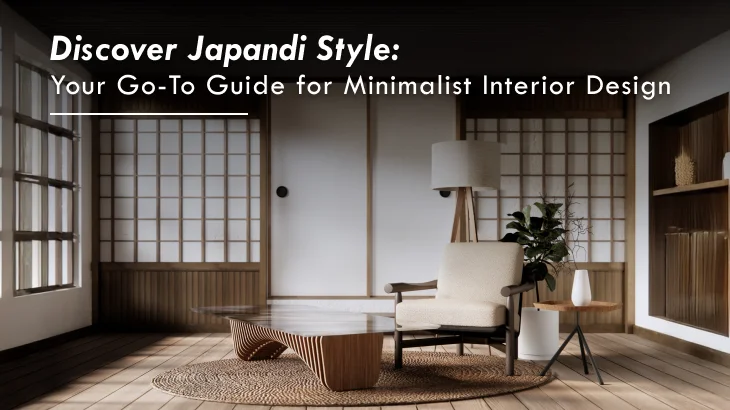
Some homes speak softly yet leave a lasting impression. They feel peaceful without being plain, stylish without trying too hard. In Bangalore, where the city’s buzz follows you home, a space that can restore your calm is priceless. That is what Japandi style offers: an aesthetic that blends beauty and purpose, drawing from two cultures that have mastered the art of simple living.
What is Japandi Style?
Japandi style interior design combines the minimal elegance of Japan with the cosy functionality of Scandinavian homes. From Japan comes the concept of wabi-sabi, which celebrates beauty in imperfection. From Scandinavia comes hygge, the idea of comfort through thoughtful design.
Together, they create spaces that are uncluttered, warm, and deeply connected to nature. Every piece of furniture has a role. Every colour is chosen with intention. The result is a home that feels harmonious and lived-in.
What are the Elements of Japandi?
Japandi design works because both Japanese and Scandinavian styles share common values: simplicity, craftsmanship, and a love for nature. It uses clean lines and open spaces, but layers them with texture and warmth. Colours are soft and muted, and materials are drawn from the earth- wood, bamboo, linen, stone. The style adapts well to both compact city apartments and expansive residences like luxury 4 BHK apartments in Bangalore, proving that minimalism is not about size but about purpose.
Key Features of Japandi Interior Design
- Natural Materials: In Japandi interior design, natural materials are essential. Furniture often features oak, walnut, or bamboo, while linen, wool, and cotton add softness. These materials are not only durable but also create a close connection to the outdoors.
- Minimalist Approach: Japandi embraces the idea that less is more. Rooms are arranged to allow breathing space between pieces. Surfaces are kept clear, and storage is integrated seamlessly so that functionality doesn’t disrupt visual calm.
- Neutral Color Palette: Soft and balanced. Shades like beige, taupe, muted green, and soft grey form the base. These tones make it easy to add depth through textures rather than overpowering colours.
- Functional Furniture: Every item in a Japandi interior serves a purpose. Multi-functional pieces, such as a bench with storage or a foldable dining table, keep the look clean without sacrificing practicality.
- Nature-Inspired Elements: Plants are more than decoration here. A bonsai in the living room, a bamboo ladder in the bathroom, or a large potted plant in a corner adds a touch of freshness. Large windows and sheer curtains bring in natural light, further enhancing the space.
How to Decorate Your Home in Japandi Style
- Incorporate Natural Materials
Start with the big pieces. A dining table in solid oak or walnut sets the tone for the room. Pair it with bamboo pendant lighting for warmth and a hint of organic texture. If you have open shelving, display ceramics or earthenware bowls to add depth. In bedrooms, linen bedding in muted tones creates an understated yet luxurious feel.
- Cut the Clutter
In a Japandi interior design living room, clutter is the enemy of calm. Built-in cabinets can hide everyday items, while woven baskets or rattan trunks keep smaller objects tucked away. Even things like remote controls or magazines should have a designated spot. The idea is not to live without possessions, but to ensure everything has a home.

- Use Lots of Texture
Texture is where the Scandinavian love for cosiness comes in. Picture a handwoven rug under your coffee table, soft linen curtains that move gently with the breeze, and a knitted throw draped over a low sofa. Each layer brings visual interest without overpowering the simplicity.
- Stick to a Minimal Color Variation
Pick one main colour. Say, warm beige and one accent, like forest green or charcoal grey. This way, every piece in the room feels connected. Too many shades can break the flow, and Japandi thrives on harmony.
- Invest in Quality Items
Choose furniture that will last a decade, not just a season. A well-made wooden bed frame, for example, will age beautifully and develop character over time. In the kitchen, swap disposable plastics for ceramic jars or wooden utensils. These small changes make the space both functional and aesthetically pleasing.
Step-by-Step: Bringing Japandi into Your Home
- Declutter First: Before adding anything new, clear out the excess. Start with surfaces like coffee tables, countertops, and sideboards. Keep only what you use daily or what brings genuine joy. This step alone can instantly make your home feel more open.
- Choose Neutral Tones: Paint walls in soft shades like taupe, dove grey, or off-white. Let the main furniture pieces like sofas, beds, and dining tables follow this palette. Accent colours can be introduced through cushions, artwork, or a single statement chair.
- Add Low Profile Furniture: Low seating arrangements create a grounded, spacious feel. In the living room, try a low sofa paired with a minimalist coffee table. In bedrooms, platform beds with hidden storage help maintain the streamlined look while being practical for urban homes.
- Integrate Natural Materials: Wood is a staple, but stone and bamboo have a strong presence too. An oak sideboard, a marble countertop, or a bamboo ladder shelf can instantly shift the mood towards Japandi. Linen cushions and wool rugs soften these harder surfaces, balancing texture and comfort.
- Layer with Soft Textiles: Scandinavian design thrives on softness. Add a cotton rug in the dining area to define the space, wool throws for the sofa, and linen curtains that filter sunlight beautifully. Layering textiles ensures your minimalist space still feels inviting.
- Install Statement Lighting: Lighting in Japandi is about mood, not just function. Pendant lamps in paper or wood offer a warm glow, while floor lamps with fabric shades bring gentle light to reading corners. Avoid harsh white bulbs and opt for warm, soft lighting instead.
- Add Thoughtful Decorative Elements: Decor should feel personal. A bonsai on the dining table, a handmade vase on the console, or a framed line drawing above the bed. These touches tell your story without overwhelming the space. Every item should have meaning, not just fill a gap.
Benefits of the Japandi Style in Your Home
- Serenity and Calmness: Muted colours and uncluttered spaces reduce stress, turning your home into a retreat.
- Timeless Elegance: Clean lines, quality craftsmanship, and balance ensure that the Japandi interior design style stays relevant for years.

- Functionality and Practicality: Multi-purpose furniture and smart layouts make life easier without sacrificing style.
- Connection to Nature: Wood, plants, and natural light create a daily connection to the outdoors, even in urban homes like Dream Home Apartments.
- Versatility and Adaptability: Whether it is a studio or a sprawling residence like Phoenix Kessaku, Japandi fits effortlessly.
- Environmental Sustainability: Using durable, eco-friendly materials supports sustainable living and reduces waste.
Conclusion
Japandi is more than a style. It is a way of living that values calm, function, and beauty in equal measure. With its blend of Japanese elegance and Scandinavian comfort, it can transform any home into a sanctuary.
If you are ready to experience this harmony in a space of your own, explore our ready-to-move-in residences at Phoenix Kessaku on Dr. Rajkumar Road. Here, every detail is crafted for refined living, giving you the perfect canvas for your Japandi-inspired home.