


Table of Contents
A quiet room. Rows of books. A window seat bathed in soft light. And that unmistakable smell of paper and print. No, this isn’t just décor. This is therapy without a therapist, travel without a passport, and wisdom without the wait.
In our fast-moving lives, we often search for calm, clarity, and connection. But what if all three are already in your home, sitting patiently on a shelf? A home library is not just a corner with home books. It’s a living space for your inner life.
Let’s explore how this simple habit of collecting library books at home can shape your mental, emotional, and even social well-being.
The Psychological Benefits of Having Books at Home
A 2023 survey by the New York Public Library found that people who spent time in libraries felt more optimistic, peaceful, and mentally balanced. Inspired by Martin Seligman’s PERMA model (Positive Emotion, Engagement, Relationships, Meaning, and Accomplishment), researchers saw how books play a big role in personal flourishing. Here’s how that works at home:
1. Reading Inspires Lifelong Curiosity
A shelf full of home books invites exploration. You don’t need a reason or a deadline. You simply reach for a book, and learning begins. This slow, self-guided style of reading builds intellectual resilience over time.
2. Becomes a Gentle Habit
Books lying around nudge you to read. No push notifications needed. Your home library subtly invites consistent reading, and over time, it becomes as normal as your morning tea.
3. Knowledge Is Always Within Reach
Whether it’s a parenting book or philosophy, access matters. A personal collection brings learning to your fingertips. You grow not just when you read, but when you remember. You can read anytime.
4. Books Offer Calm and Escape
Picking up a novel can feel like a deep breath. Reading slows your thoughts, lowers stress levels, and offers calm without distraction. That’s why it’s one of the healthiest ways to unwind after a long day.

5. Diverse Voices, One Shelf
Your shelf can include books from different eras, geographies, and viewpoints. Exposure to varied narratives helps build empathy and open-mindedness, all without you leaving your reading chair.
6. A Creative Space for New Ideas
Books are quiet mentors. They spark ideas, provoke questions, and sometimes nudge you towards personal reinvention. Your home library becomes a personal studio for creativity and growth.
7. Rooms Filled With Books Feel Alive
Even books you haven’t read carry energy. A room filled with stories, memories, knowledge, and inspiration feels warm and inspiring. That’s the emotional charm of a home library book collection.
How to Build a Library That Feels Like You
The good news? You don’t need a massive house or a designer to build a meaningful library. You just need intention.
1. Choose Books That Speak to You
Curate, don’t collect. Pick books that reflect your values, hobbies, and moods. A mix of genres, languages, and moods adds personality to your shelf and supports lifelong engagement.
2. Let It Be a Shared Experience
Involve your family. Ask them what they’d like to read. Add their choices to your shelf. A home library created together feels more special and strengthens connections.
3. Create Reading Rituals Together
Set aside time to read, as a family or alone. A short story before bed or quiet reading on weekends helps create a comforting habit around your library books.
4. Make the Space Feel Like Home
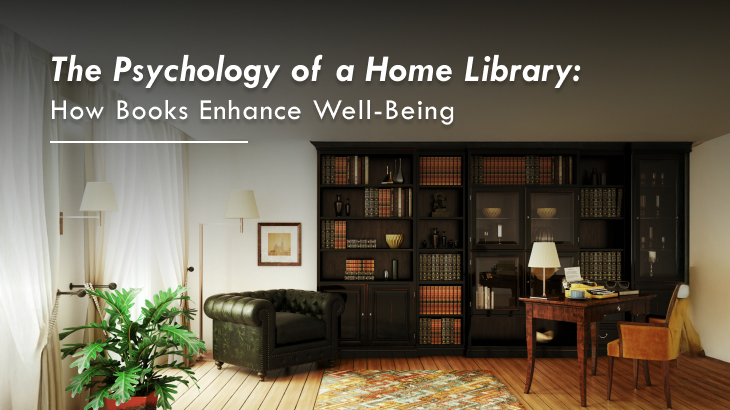
A good chair. Soft light. A little plant. When your reading space feels welcoming, you’re more likely to spend time there. That’s how you start organizing your home library in a way that feels personal.
5. Keep Books in Sight, Not Storage
Shelves don’t have to be perfect. Let books live out in the open. Seeing them often creates emotional familiarity and reminds you to dive back into a good story.
Design a Space That Nourishes the Soul
Books heal, but only if we make space for them. Here’s how to turn a corner into comfort.
1. Create a Mood, Not Just a Corner
Choose textures, fabrics, and furniture that invite stillness. Even a small shelf with thought-provoking books can become your mental hideaway.
2. Let Light and Comfort Be Your Design Tools
Natural light, a soft cushion, a side table- these make a big difference. The right lighting and seating make reading easier and more joyful.
3. Include Books That Heal
Keep books that make you feel understood. Memoirs, poetry, and spiritual reads. This is what people call “bibliotherapy”- reading to feel better. Your psychology library can be as simple as one shelf of your favorites.
A Quiet Corner with Loud Impact
A home should reflect not just your lifestyle, but your inner world. And nothing does that better than a home library. It’s not about how big the collection is- it’s about what it brings into your life.
And when you do decide to find a space that supports this kind of peaceful living, you need a home that gives you that freedom. Homes like Phoenix Kessaku in Rajajinagar are crafted with that vision. These ultra-luxury apartments in Bangalore come ready for your future — and your books.
You might find the perfect nook to build your psychology library, or even design an entire room dedicated to your growing home library. At the interior Kessaku Bangalore, luxury meets intention, and that’s a beautiful setting for personal growth.
Explore our spacious, elegant homes, including our luxury 4 BHK apartments in Bangalore. Ready to move in. Ready for your stories.